%20(1)_edited.png)
- Oct 5, 2025
- 3 min read

Breed Guide
Ragdoll
General InformationThe Ragdoll is a large, gentle, and affectionate cat breed known for its calm temperament and striking blue eyes. Often described as “puppy-like,” Ragdolls are highly social, forming strong bonds with their families and enjoying interactive play, cuddling, and following their owners around the house. They are intelligent, adaptable, and thrive in both quiet and active households. Recognized for their semi-long, silky coat and variety of colors and patterns, Ragdolls are beloved for their loving nature and easygoing personality, making them ideal companions for families and individuals alike. |
Physical:
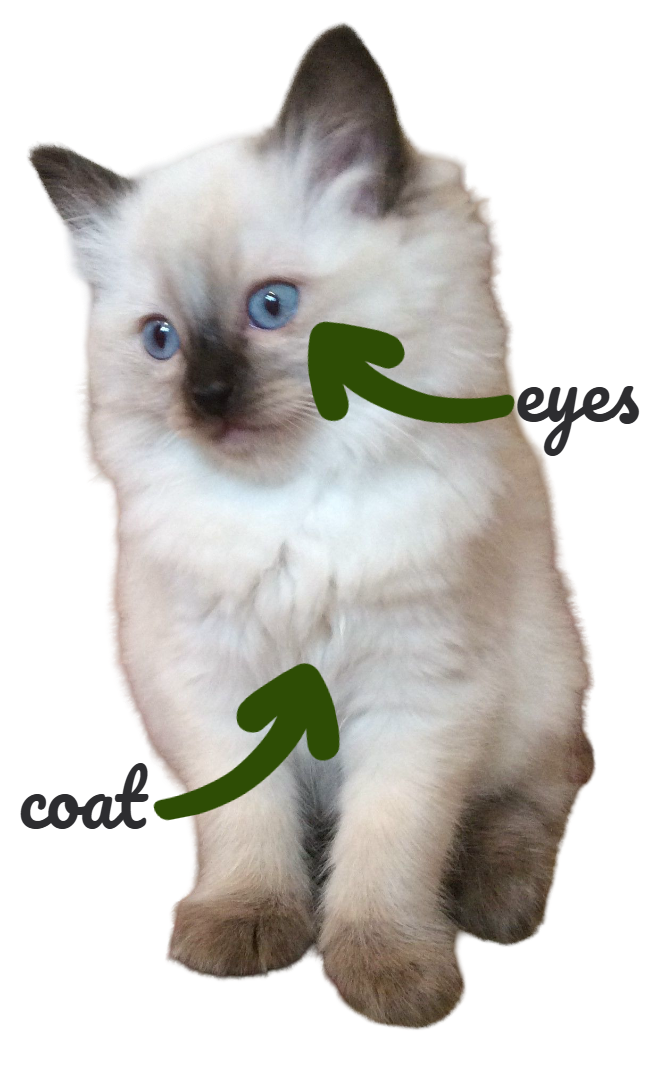
The Ragdoll is a large, muscular cat with a sturdy yet elegant build. It has a broad chest, substantial bone structure, and a long, rectangular body. The head is rounded with a gentle taper to the nose, full cheeks, and large, expressive blue eyes that give the breed its signature sweet expression. Its semi-long, silky coat comes in a variety of colors and patterns, including colorpoint, mitted, and bicolor. True Ragdolls display a combination of size, strength, and soft, rounded features that distinguish them from other breeds.
Personality:
Ragdolls are known for their calm, gentle, and affectionate nature. They are highly social and enjoy spending time with their human companions, often following them from room to room. Intelligent and curious, Ragdolls enjoy interactive play but are typically less demanding than some other breeds. They are excellent with children and other pets, making them ideal family companions. True to their name, many Ragdolls go limp when held, reflecting their trusting and relaxed demeanor. They form strong bonds with their families and thrive in environments where they feel safe, loved, and included.
Health & Care:
Despite its length, the Ragdoll’s coat is relatively low-maintenance compared with other long-haired breeds. Weekly brushing helps prevent tangles, reduce shedding, and keep the fur smooth, healthy, and shiny, while highlighting the Ragdoll’s elegant and plush appearance.
Hygiene
Full baths are rarely needed and only when the cat is visibly dirty, using a mild, cat-safe shampoo.
Nails should be trimmed every 2–3 weeks with a proper cat nail clipper.
Teeth should be brushed 2–3 times per week using a cat toothbrush and pet-safe toothpaste—ask a vet to demonstrate proper technique if you’ve never done this before.
Ears should be checked weekly and cleaned gently with a cotton pad or a vet-recommended solution as needed.
Common Health IssuesRagdolls are generally healthy cats but can be prone to certain hereditary conditions. Hypertrophic cardiomyopathy (HCM), a heart disease affecting many cat breeds, is the most notable concern. They may also occasionally experience urinary tract issues or bladder stones, especially if diet and hydration are not carefully managed. Regular veterinary checkups, preventive care, and a balanced diet help ensure Ragdolls remain healthy, active, and long-lived companions. |
History:
Origin
The Ragdoll originated in the United States in the 1960s, developed by breeder Ann Baker in California. The breed was created by crossing a domestic long-haired cat with colorpoint patterns, emphasizing gentle temperament, large size, and striking blue eyes. Selective breeding focused on producing a calm, affectionate, and social cat that could thrive as a family companion. Today, Ragdolls are recognized worldwide for their loving nature, semi-long silky coat, and docile personality, making them one of the most popular long-haired cat breeds.


Comments