%20(1)_edited.png)
- Oct 5, 2025
- 3 min read

Breed Guide
Ragamuffin
General InformationThe Ragamuffin is a large, affectionate, and gentle breed known for its friendly, easygoing nature. Closely related to the Ragdoll, Ragamuffins are distinguished by their plush, semi-long coat and expressive eyes, which give them a sweet, inviting appearance. They are highly social, forming strong bonds with their families, and thrive in households where they receive attention and interaction. Ragamuffins enjoy playing, cuddling, and exploring their environment, making them loving, devoted, and interactive companions for both adults and children. |
Physical:
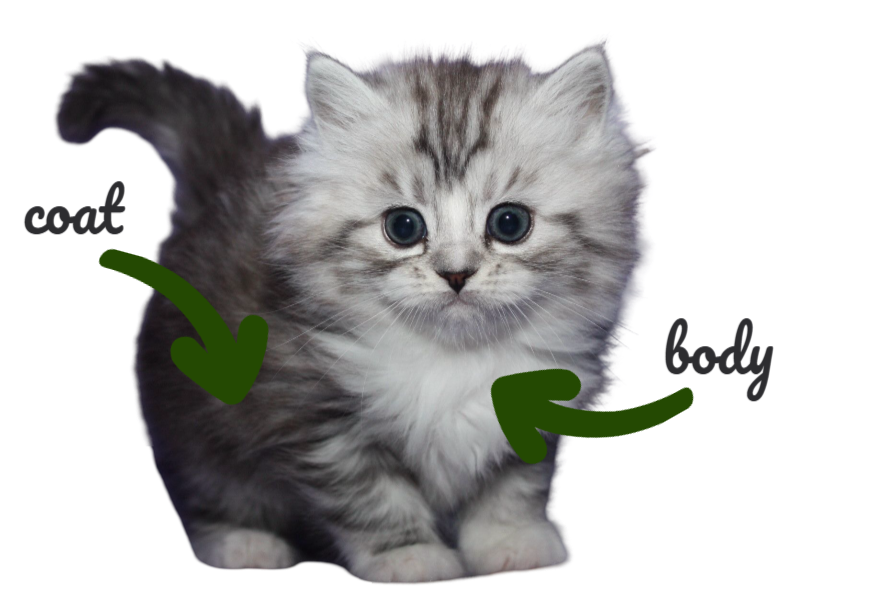
The Ragamuffin is a large, muscular cat with a broad chest and substantial bone structure, giving it a sturdy yet graceful appearance. Its head is rounded with full cheeks, a gentle curve to the nose, and large, expressive eyes that convey a sweet, friendly expression. The semi-long coat is dense, silky, and plush, often coming in a wide variety of colors and patterns, including solids, bicolors, and tabbies. True Ragamuffins exhibit a combination of a substantial, well-proportioned body, a luxurious coat, and a soft, rounded facial structure that reflects the breed standard.
Personality:
Ragamuffins are affectionate, gentle, and highly social cats that thrive on human companionship. They are intelligent and curious, enjoying interactive toys, games, and exploring their environment. Known for their calm and patient nature, Ragamuffins are particularly good with children and other pets, making them excellent family companions. They love to cuddle, often seeking out laps and following their owners around the house. While friendly and approachable, they are adaptable and can adjust to both quiet and active households, forming deep, lasting bonds with their families.
Health & Care:
Despite its length, Ragamuffin’s coat is surprisingly soft and relatively low-maintenance compared with other long-haired breeds. Regular brushing once or twice a week helps prevent tangles and keeps the fur smooth, healthy, and shiny.
Hygiene
Full baths are rarely needed and only when the cat is visibly dirty, using a mild, cat-safe shampoo.
Nails should be trimmed every 2–3 weeks with a proper cat nail clipper.
Teeth should be brushed 2–3 times per week using a cat toothbrush and pet-safe toothpaste—ask a vet to demonstrate proper technique if you’ve never done this before.
Ears should be checked weekly and cleaned gently with a cotton pad or a vet-recommended solution as needed.
Common Health IssuesRagamuffins are generally healthy cats with a robust constitution, but they can be prone to certain conditions. Some may develop hypertrophic cardiomyopathy (HCM), a heart condition that affects many domestic cats. They can also occasionally experience polycystic kidney disease (PKD) and joint issues due to their larger size. Dental problems, such as periodontal disease, may occur if oral hygiene is neglected. Regular veterinary checkups, preventive care, and a balanced diet help ensure that Ragamuffins remain healthy, active, and long-lived companions. |
History:
Origin
The Ragamuffin originated in the United States in the late 20th century as a development of the Ragdoll breed. Breeders aimed to create a large, affectionate, and family-friendly cat with a soft, plush coat and gentle temperament. Over time, selective breeding emphasized health, sociability, and variety in coat colors and patterns, distinguishing the Ragamuffin from its Ragdoll relatives. Today, the breed is recognized for its friendly personality, luxurious coat, and adaptability, making it a popular choice for households seeking a loving, interactive, and cuddly companion.


Comments