%20(1)_edited.png)
- Oct 5, 2025
- 3 min read

Breed Guide
Norwegian Forest Cat
General InformationThe Norwegian Forest Cat, often called the “Wegie,” is a majestic, large breed originating from the forests of Norway. Known for its thick, water-resistant coat and tufted ears, this breed was historically a hardy farm cat, skilled at hunting and surviving in cold climates. Norwegian Forest Cats are affectionate, friendly, and social, forming strong bonds with their families while remaining independent enough to explore and entertain themselves. Intelligent and playful, they enjoy climbing, interactive toys, and outdoor adventures in safe environments, making them both loving companions and agile, adventurous cats. |
Physical:
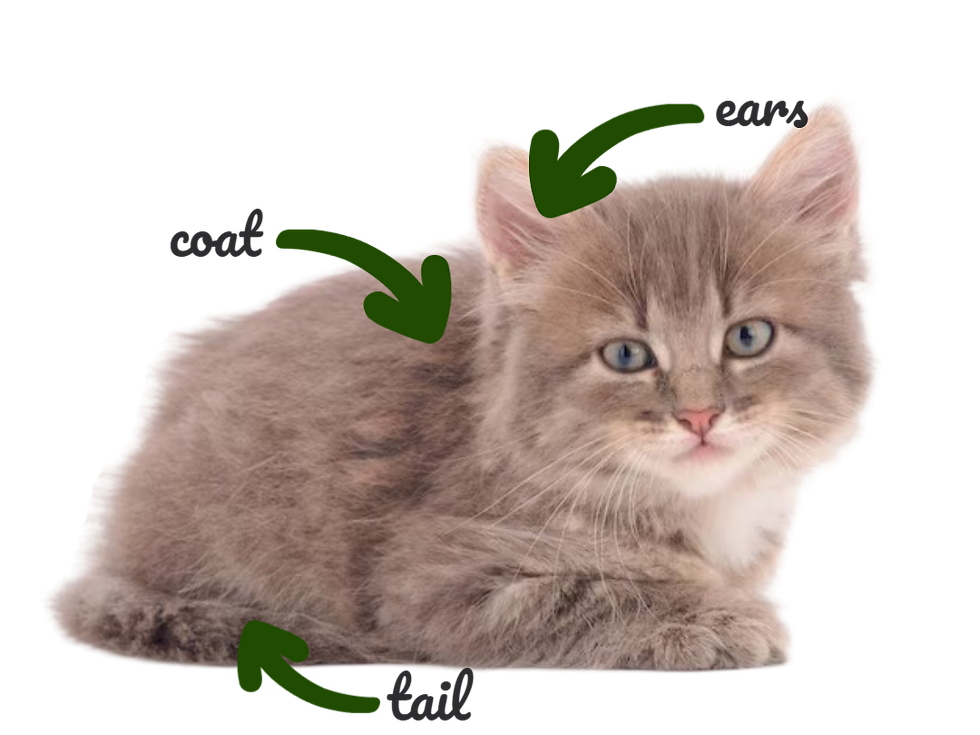
The Norwegian Forest Cat is a large, muscular cat with a strong, rectangular body and sturdy legs. Its head is triangular with a straight profile, large almond-shaped eyes, and tall, tufted ears. One of the breed’s most distinctive features is its long, thick double coat, which is water-resistant and forms a prominent ruff around the neck, giving it a majestic, lion-like appearance. The bushy tail is long and flowing, and the paws are large and tufted for warmth in snowy climates. True Norwegian Forest Cats come in a variety of colors and patterns, but the overall silhouette remains unmistakably robust and elegant.
Personality:
Norwegian Forest Cats are friendly, affectionate, and intelligent, forming strong bonds with their human families while maintaining a sense of independence. They are playful and curious, enjoying climbing, exploring, and interactive toys, yet they also appreciate quiet moments spent lounging or cuddling. Social and gentle, they generally get along well with children and other pets, though they may be cautious with strangers at first. Their adaptable, even-tempered nature makes them excellent companions for both active households and more relaxed environments.
Health & Care:
The Norwegian Forest Cat has a long, thick double coat designed to protect it from harsh, cold climates. Shedding is moderate to heavy, especially during seasonal changes, and weekly brushing helps prevent tangles and mats while keeping the coat healthy and shiny.
Hygiene
Full baths are rarely needed and only when the cat is visibly dirty, using a mild, cat-safe shampoo.
Nails should be trimmed every 2–3 weeks with a proper cat nail clipper; if unsure, a veterinarian or professional groomer can assist.
Teeth should be brushed 2–3 times per week using a cat toothbrush and pet-safe toothpaste—ask a vet to demonstrate proper technique if you’ve never done this before.
Ears should be checked weekly and cleaned gently with a cotton pad or a vet-recommended solution as needed.
Common Health IssuesNorwegian Forest Cats are generally healthy and hardy due to their natural origins, but they can be prone to certain issues. Hypertrophic cardiomyopathy (HCM), a heart condition, and glycogen storage disease type IV are known concerns in the breed. They may also experience hip dysplasia and occasional obesity if not given proper exercise and diet. Regular veterinary checkups, a balanced diet, and maintaining an active lifestyle help ensure that this majestic and playful breed stays healthy and happy. |
History:
Origin
The Norwegian Forest Cat is an ancient natural breed that originated in the forests of Norway, where it adapted to cold, harsh climates. Known locally as “skogkatt”, meaning forest cat, it was valued for its hunting skills, strength, and resilience. Legends even speak of these cats as companions of Norse gods. The breed was officially recognized in the mid-20th century after enthusiasts worked to preserve its natural traits, including its long, water-resistant coat, tufted ears, and strong, agile body. Today, the Norwegian Forest Cat is admired worldwide for its beauty, intelligence, and friendly, adaptable nature.


Comments