%20(1)_edited.png)
- Sep 30, 2025
- 2 min read
Breed Guide
Himalayan
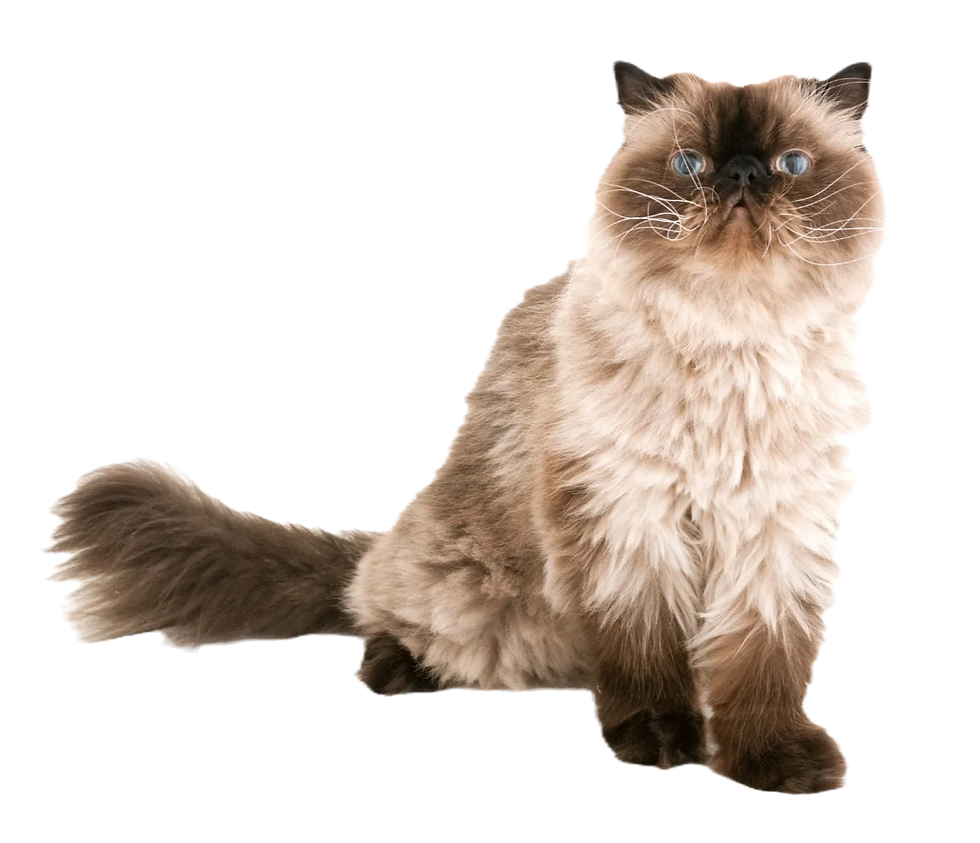
General InformationThe Himalayan is a striking and affectionate breed known for its luxurious long coat and striking color-point markings. A cross between the Persian and the Siamese, Himalayans combine the gentle, calm nature of Persians with the vibrant, expressive features of Siamese cats, making them ideal companions for families and individuals alike. |
Physical:

Himalayans have a sturdy, medium-to-large body with a broad chest and short, strong legs. Their most distinctive feature is their color-point pattern, which can appear on the face, ears, paws, and tail, contrasted with a lighter body color. True Himalayans have a round head, short nose, and large, round, deep-blue eyes. Their ears are small and rounded, set wide apart on the head, giving a balanced, symmetrical appearance.
Personality:
Himalayans are gentle, calm, and affectionate cats, known for their loving and loyal nature. They thrive on companionship and often form strong bonds with their human family members, frequently following them from room to room and enjoying being near them. Despite their serene and sometimes reserved demeanor, they have playful moments and enjoy interactive toys and gentle games that stimulate their minds. Himalayans are typically tolerant of children and other pets, making them excellent family companions, though they may prefer quiet, stable environments over chaotic or noisy households. Their sensitive and empathetic nature means they often respond to the emotions of their owners, offering comfort and companionship when needed, and they appreciate a routine that provides security and familiarity.
Health & Care:
Their long, dense coat requires regular grooming to prevent tangles and matting. Daily brushing is recommended to maintain the soft, silky texture and keep the fur clean and healthy.
Hygiene
Full baths are rarely needed and only when the cat is visibly dirty, using a mild, cat-safe shampoo.
Nails should be trimmed every 2–3 weeks with a proper cat nail clipper; if unsure, a veterinarian or professional groomer can assist.
Teeth should be brushed 2–3 times per week using a cat toothbrush and pet-safe toothpaste—ask a vet to demonstrate proper technique if you’ve never done this before.
Ears should be checked weekly and cleaned gently with a cotton pad or a vet-recommended solution as needed.
Common Health IssuesHimalayans can be prone to hereditary health problems associated with their Persian ancestry, such as respiratory issues due to their short nose, dental problems, and polycystic kidney disease. Regular veterinary check-ups are essential to ensure their wellbeing. |
History:
Origin
The Himalayan breed was developed in the 1930s by crossing Persians with Siamese cats in the United States and the United Kingdom. Breeders aimed to create a cat with the Persian’s body type and the Siamese’s striking color-point markings, resulting in the elegant, long-haired Himalayan we know today.


Comments