%20(1)_edited.png)
- Oct 2, 2025
- 3 min read
Breed Guide
Manx
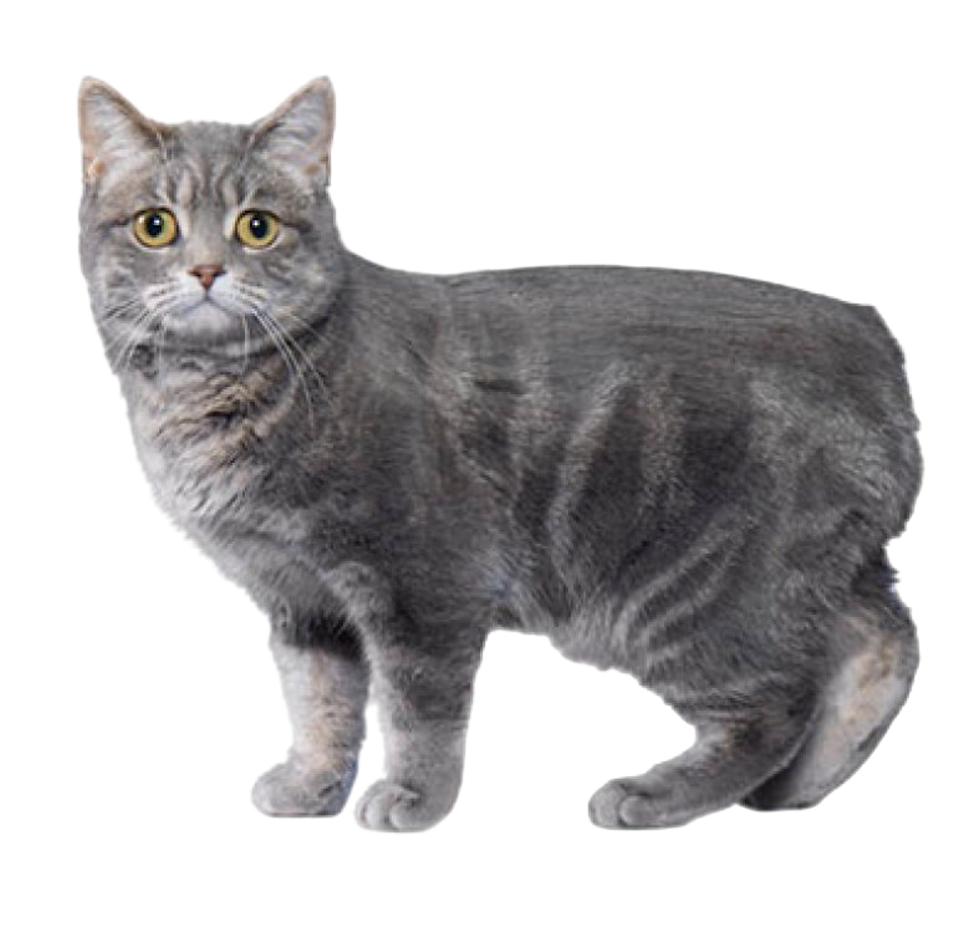
General InformationThe Manx is a distinctive and historic breed from the Isle of Man, best known for its naturally occurring taillessness. This trait, caused by a genetic mutation, gives the Manx a unique profile and has become its defining feature. Sturdy, round, and powerful, the Manx is an adaptable cat equally comfortable as a hunter or a family companion. Known for their intelligence and gentle nature, Manx cats often form close bonds with their people and are admired for their playful yet affectionate temperament. |
Physical:

The Manx has a compact, rounded body that sets it apart from other breeds. Its most famous trait is the tail—or lack of one. True Manx cats may be completely tailless (“rumpy”), have just a small rise of bone (“riser”), a short stub (“stumpy”), or, more rarely, a near-full tail (“longy”). The breed is solidly built with a broad chest, strong hindquarters, and longer back legs that give it a distinctive rabbit-like hop when it runs. The head is round with prominent cheeks, medium to large eyes that are round and expressive, and ears that taper slightly at the tips. A true Manx always shows balanced, sturdy proportions with no sign of delicacy or fragility.
Personality:
Manx cats are affectionate, loyal, and often described as “dog-like” in their devotion to their families. They are intelligent and quick to learn routines, sometimes even playing fetch or responding to commands. Playful and active, Manx cats enjoy interactive games but also appreciate quiet time curled up with their people. They tend to bond strongly with one household and can be protective, making them excellent family companions. While generally friendly, they may be a little reserved with strangers until they feel comfortable.
Health & Care:
The Manx has a double coat that can be either short or semi-long, depending on the variety. Shedding is moderate, and grooming needs vary—shorthaired Manx cats generally need weekly brushing, while semi-longhaired Manx benefit from brushing two to three times per week to prevent tangles and mats.
Hygiene
Full baths are rarely needed and only when the cat is visibly dirty, using a mild, cat-safe shampoo.
Nails should be trimmed every 2–3 weeks with a proper cat nail clipper; if unsure, a veterinarian or professional groomer can assist.
Teeth should be brushed 2–3 times per week using a cat toothbrush and pet-safe toothpaste—ask a vet to demonstrate proper technique if you’ve never done this before.
Ears should be checked weekly and cleaned gently with a cotton pad or a vet-recommended solution as needed.
Common Health IssuesWhile generally sturdy and healthy, the Manx can be prone to some breed-specific conditions. The most notable is Manx syndrome, a spinal defect linked to the tailless gene that can cause mobility or bowel issues in severe cases. Responsible breeders carefully manage pairings to reduce the risk of this condition. Like many cats, Manx may also be prone to arthritis in the spine and hips as they age. Regular veterinary check-ups, maintaining a healthy weight, and early monitoring for any mobility issues are important for their long-term well-being. |
History:
Origin
The Manx originated on the Isle of Man, a small island in the Irish Sea, where the breed developed naturally centuries ago. The tailless trait is believed to have arisen from a spontaneous genetic mutation in the island’s cat population, which was then reinforced by isolation and selective breeding. Over time, the Manx became deeply tied to the island’s culture and folklore, often celebrated as a symbol of the Isle of Man itself. Today, the Manx is recognized worldwide as a distinctive and historic breed.


Comments